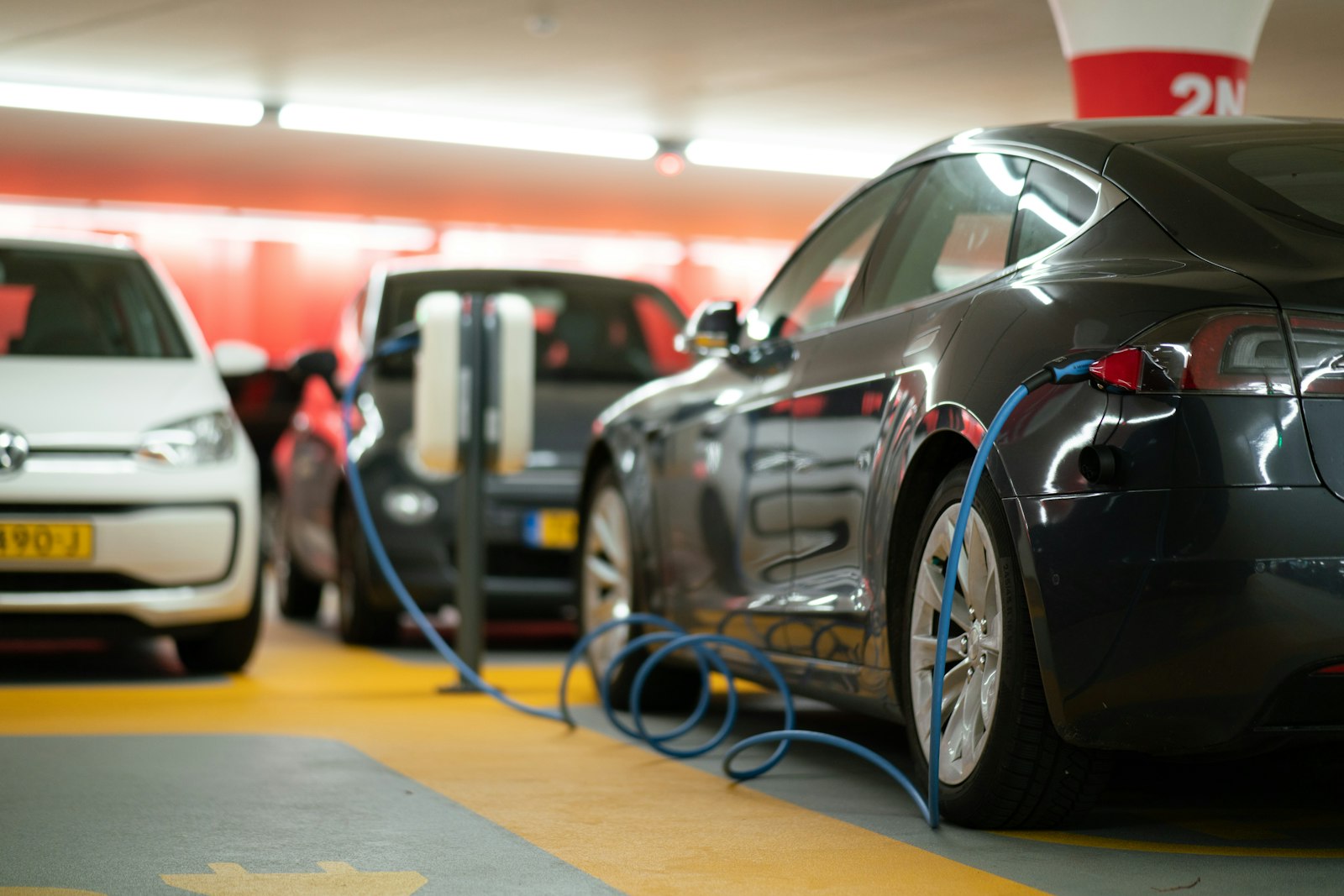
Norwegian electric-vehicle charger maker Easee is building a sales organisation in Portugal, Spain and Italy. The company announced the move with its nine-month figures on 27 October 2026. More than 1,000 Easee chargers are already installed in the three countries, the company says, even though it has had no established commercial operation there. Easee is now strengthening its local sales presence and building partnerships with installers and distributors.
Demand that arrived before the sales team
How the chargers got there is the interesting part. Easee says part of the early demand in southern Europe came from existing customers in Northern Europe who wanted chargers at their holiday properties in Spain, Portugal and Italy. That showed the opportunity before the company had any local commercial presence.
“We started seeing demand in Southern Europe before we had built a sales organisation there,” said CEO Øyvind Stavland Osjord. “That tells us something about the potential. Now the job is to build the local relationships and installer network needed to serve those markets properly.”
The apartment-building pitch
Easee is pitching its product at a particular problem: charging in apartment buildings with shared parking, where the electrical capacity is limited. Adding several charging points to an existing installation can mean costly electrical upgrades unless the available power is managed. Easee’s chargers use dynamic load balancing to share the available capacity between chargers, so a building can take more EVs without necessarily upgrading its grid connection. The company’s release uses Spain as its example, but the same housing pattern applies in Lisbon, Porto and Portugal’s coastal resort areas, where many Nordic second-home owners live in condominiums.
The numbers behind the push
Easee says it is expanding from a stronger financial position. In the first nine months of 2026, revenue rose 33% to NOK 835.8 million (about €79.8 million) and charger sales rose 47%. Adjusted EBITDA nearly quadrupled to about NOK 122 million, and the adjusted margin improved from around 5% to 14.5%. Benelux hardware revenue grew 86% and charger sales there more than doubled. Revenue in Germany, Austria and Switzerland rose 26% to just under NOK 200 million. Together, Benelux and DACH made up about 44% of revenue. The adjusted figure excludes one-off costs linked to Easee’s change of ownership, when Brødrene Jensen and AWC became its owners. The company says it has more than 1.1 million chargers installed across Europe.
“Europe’s charging market is growing, but it’s also becoming more competitive,” Osjord said. “We’ve focused on building a business that can grow profitably, and that’s now giving us a stronger foundation to expand into new markets.”
Why it matters for the corridor
Easee has not announced a Portuguese subsidiary, an office or a country manager, so for now this is a partner-led entry. That is why the installer and distributor relationships it is looking for matter. Portuguese electrical installers and wholesalers that already serve condominium managers and the Algarve and Lisbon second-home market are the obvious partners. The story also shows a corridor effect that rarely appears in trade statistics: Nordic residents with homes in Portugal bring their brand preferences with them, and that can pull Nordic suppliers into the market. Easee joins other Nordic e-mobility names in Portugal, such as Volvo’s charging push, while Portugal’s own Efacec sells charging technology the other way, into Denmark.
Sources: Easee nine-month 2026 results and southern Europe announcement (27 October 2026), as reported by Renewable Energy Magazine and The EV Report. Euro conversion as given in the release.