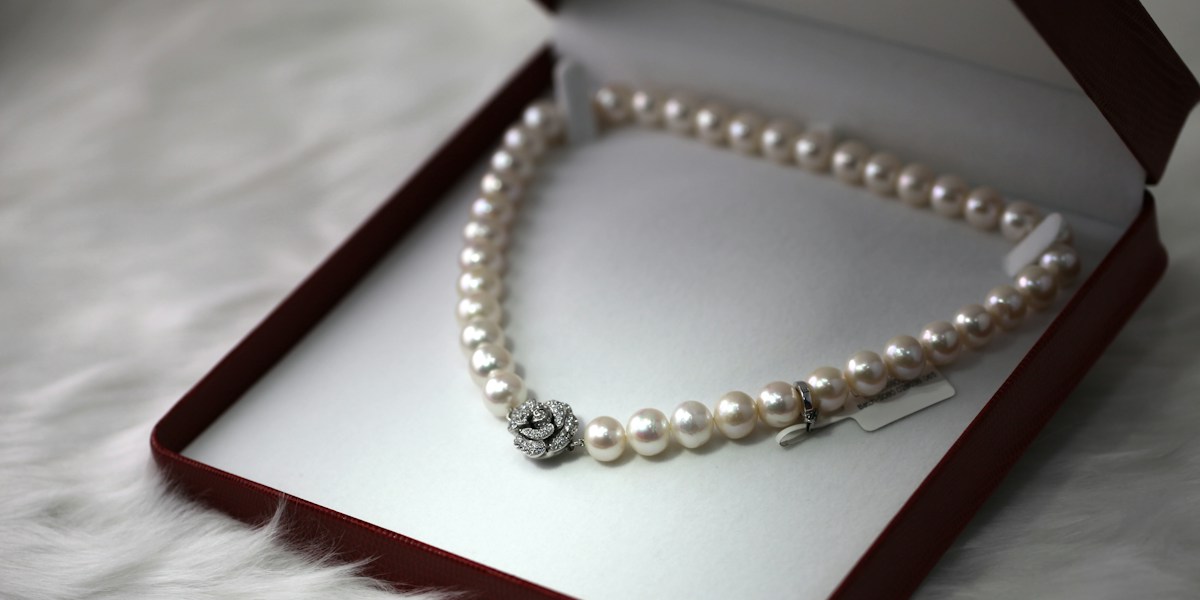
Just two years after it opened its first shop in Portugal, Pandora — the Copenhagen-headquartered jeweller that is the largest in the world by pieces produced — has made Porto the home of its biggest Portuguese store. The new flagship runs to roughly 120 m², making it the brand’s largest unit in the country, and it lands under Pandora’s latest global store format, the “Evoke 2.0” concept that the company is rolling out across its most important markets.
The detail that matters for anyone tracking the Nordic–Iberian corridor is not the square metres but the casting choices. The Porto store features a wall mural made from azulejos by Viúva Lamego, the historic Lisbon tile manufacturer founded in 1849, and it houses the first engraving machine Pandora has installed anywhere on the Iberian Peninsula, offering on-the-spot personalisation. A Danish mass-market jeweller choosing to anchor its flagship around a piece of Portuguese decorative-arts heritage is a small but telling signal of how seriously the group now treats the market.
From a standing start in 2024 to 38 points of sale. Pandora opened its first Portuguese store in Lisbon in 2024, a 112 m² unit, and has since built out a network that now numbers 38 points of sale across the country — a mix of owned stores and partner retail locations. That is an unusually fast build-out for a premium-affordable jewellery brand, and it places Portugal firmly inside the group’s European expansion map rather than treating it as a peripheral tourist market.
Pandora’s model is built on collectable charms and “moments” bracelets sold at accessible price points, a formula that has made it a fixture of European high streets and shopping centres. The company has spent the past two years pushing two strategic shifts in parallel: a complete store-design refresh under the Evoke concept, and a move into lab-grown diamonds, which it has rolled out across markets including its home Danish market this year. The Porto flagship sits at the intersection of both bets — a showcase format designed to present a broadened product range to a market the group clearly believes can absorb more retail.
Part of a wider Danish consumer-brand wave. Pandora is far from alone. Over the past eighteen months Portugal has become a favoured expansion target for Danish consumer brands: variety retailer Normal opened its first Portuguese store in Ovar in May, Flying Tiger Copenhagen has been adding stores, fashion group Bestseller has been scaling its Vero Moda and Jack & Jones footprint, and home-furnishing chain JYSK has crossed 40 stores while building a Lisbon tech hub. Pandora’s deepening commitment fits the pattern: a Portuguese consumer base that has proven resilient, rising tourist footfall, and shopping-centre rents that remain competitive against Northern Europe.
Why it matters for the corridor. Jewellery retail is a useful barometer because it tracks discretionary spending and brand confidence rather than one-off industrial investment. A jeweller does not open its largest national store, install bespoke engraving hardware and commission custom tile art unless its existing units are performing. For Nordic brands weighing Iberian entry, Pandora’s trajectory — first store to flagship in 24 months — is a live case study in how quickly a well-run consumer concept can scale in Portugal once the operating model is proven.
There is also a quieter cultural reciprocity worth noting. Where many global chains roll out identical, placeless interiors, Pandora has chosen to localise its Porto flagship with Portuguese craft. Viúva Lamego’s azulejos have clad everything from Lisbon metro stations to international museums; their appearance in a Danish jeweller’s flagship is a reminder that the corridor runs in both directions — Nordic capital and retail formats flowing south, Portuguese design and craftsmanship travelling onto the shop floor and, increasingly, into Nordic supply chains.
The open question is how far Pandora pushes from here. Thirty-eight points of sale is already a dense network for a market of Portugal’s size, and the Evoke 2.0 flagship in Porto looks designed to be a template the group can replicate or trade up to in Lisbon and the Algarve. If the lab-grown diamond line gains traction with Portuguese consumers, expect the next phase of expansion to be about basket size and format upgrades rather than raw store count — the sign of a market the company now considers mature rather than emerging.